
Preventative Maintenance: Ensuring Long-Term Boiler Performance
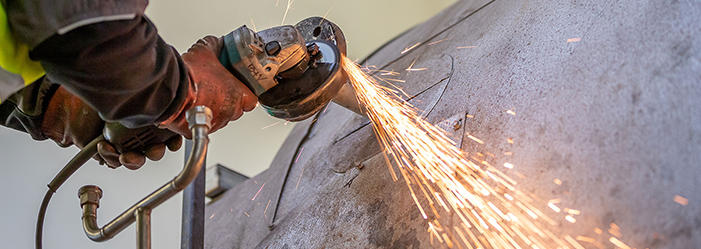
Boilers may not be glamorous, but they’re the beating heart of many operations, and ignoring them can come at a steep price. In this article, Boiler & Valve Engineering’s Combustion & Gas Engineer Kenneth Murdoch explains why, for any organisation relying on boilers, preventative maintenance isn’t just a technical obligation, it’s a strategic investment in safety, efficiency, and operational continuity.
Boilers are complex systems operating under high temperature and pressure, making them susceptible to wear, scale, and mechanical failure over time. So, without a robust maintenance regime, even minor issues can escalate into costly breakdowns or safety hazards.
Planned preventative maintenance involves regular inspections, cleaning, and testing of all boiler components, from burners and heat exchangers to control systems and safety devices. And a proactive approach allows engineers to identify and address potential faults before they develop into major problems, significantly reducing the risk of unplanned and costly system interruptions and downtime. In fact, Kenneth adds:
“We’ve seen clients significantly reduce downtime just by sticking to a robust maintenance plan.”
Routine tasks might include checking for leaks, corrosion, and pressure anomalies, as well as monitoring water quality to prevent scale build-up, a leading cause of efficiency loss and premature failure. Scheduled cleaning of boiler tubes and burners ensures optimal combustion and heat transfer, directly impacting fuel consumption and emissions. Water treatment programmes are also essential, as poor water quality can lead to both corrosion and scaling, undermining the boiler’s reliability and lifespan.
Following a preventative maintenance schedule not only keeps the system running efficiently but also helps meet regulatory compliance, avoiding fines or enforced shutdowns due to non-conformance. But perhaps more importantly to some, a well-maintained boiler enjoys an extended operational life, fewer emergency repairs, and lower total cost of ownership. And let’s not forget what really matters to most company owners: minimising expensive emergency callouts!
Emergency Boiler Repairs: How to Minimise Downtime
Despite the best maintenance practices, emergencies can still occur, whether due to unforeseen component failure, external factors, or simple bad luck. But when a boiler does fail, the priority is to restore steam, heat and/or hot water as quickly and safely as possible to minimise disruption to essential processes, operations or the comfort of employees, etc.
A quick response to repairs and essential maintenance is also critical. Partnering with a service provider offering 24/7 emergency service ensures that assistance is available at any hour, including evenings, weekends and holidays. Experienced technicians should, upon arrival, carry out a thorough diagnostic assessment to identify the root cause, whether it is a loss of pressure, a faulty control, or leak. Where immediate repairs are not possible due to unavailable parts, temporary solutions – including portable boilers or heaters – can be deployed to maintain essential services.
Having a clear emergency response plan – one that covers contacts, escalation steps, and spare part availability – can make all the difference when the pressure is on. Where installed, remote monitoring systems can provide early warnings of developing issues, enabling pre-emptive action before a full breakdown occurs. Effective communication with stakeholders may also be essential during an emergency, ensuring all parties are informed about progress and expected restoration times.
Finally, every emergency repair is an opportunity for a full system review, and technicians should not only address the immediate fault but also:
- inspect for underlying issues that could cause future failures
- update maintenance records
- advise on any further remedial works required
Conclusion
For the clients of Boiler & Valve Engineering the message is clear: preventative maintenance is the cornerstone of reliable, efficient boiler operation, while a structured emergency response minimises downtime when the unexpected occurs. Investing in both areas protects your assets, ensures compliance, and delivers peace of mind, keeping your operations running smoothly, whatever the circumstances.
Concluding, Kenneth Murdoch says:
“Even with the best maintenance things can go wrong, that’s why having a robust emergency plan matters.”